


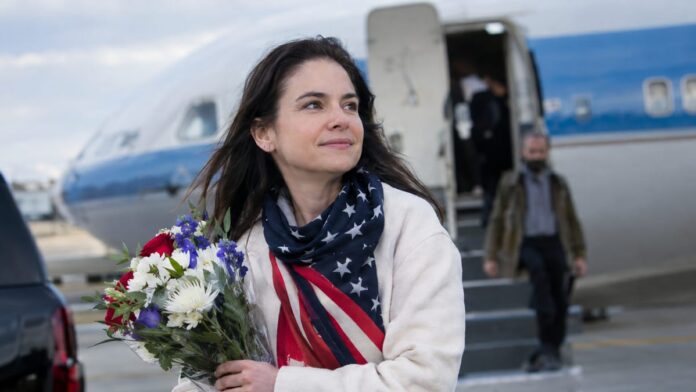
Alina López Miyares, a Cuban American teacher from Miami who spent nearly a decade held in Cuba on espionage charges, is back in the United States. She returned in September after Cuba let her go, a release that was not made public until Friday.
“We welcomed Alina Lopez’s return to the United States in September. There was no exchange for her release. Out of respect for her privacy, we have nothing further at this time,” a State Department official told Fox News. CNN, which first reported the release, said a U.S. government team quietly traveled to Havana to bring her home.
Welcome home, Alina López Miyares. After nearly a decade of arbitrary detention by the corrupt Cuban regime—and with no concessions or prisoner swaps made—she is finally back on American soil.
We will never stop fighting for our citizens unjustly held abroad. Cuba Libre… https://t.co/LBso8z3nIM
— Ambassador Mike Waltz (@USAmbUN) November 21, 2026
What the UN ruling found
López Miyares, a citizen of both Cuba and the United States, was arrested in Cuba in January 2017 on suspicion of espionage. She was 59 at the time. A Cuban military court tried her on Oct. 2, 2017, after about nine months in pretrial detention, and sentenced her to 13 years in prison.
In an opinion dated June 24, 2022, the U.N. Working Group on Arbitrary Detention found that her detention violated articles 3, 9, 10 and 11 of the Universal Declaration of Human Rights and was arbitrary. The panel called the nine months of pretrial detention excessive, objected to a civilian being tried in a military court and found that she had not received consular assistance as a U.S. citizen.
The opinion called for her immediate release and an enforceable right to compensation and other reparations under international law. It also urged Cuba to open a full and independent investigation into her detention.
Why it matters
Daily Beltway analysis: her return closes a case the administration had raised directly with Havana, at a moment when it is ratcheting up pressure on the island, and officials are stressing that Washington gave nothing up to get her out. U.N. Ambassador Mike Waltz welcomed her home Friday, saying she returned “with no concessions or prisoner swaps made.”
The release came amid rising tension between the two governments, as U.S. sanctions and a cutoff of oil shipments have deepened Cuba’s economic and energy crisis, CNN reported. A State Department official told the network in March that the administration had raised her case with Cuban officials and pressed for her release on humanitarian grounds. The James Foley Foundation, which lists her as a wrongful detainee, says Cuba temporarily released her after the U.N. finding but kept her on an exit ban and took her back into custody in late 2023.
Cuba’s position
In its February 2022 reply to the Working Group, the Cuban government rejected the claim that she was held arbitrarily, saying her detention complied with Cuban law and its international obligations and that military courts had jurisdiction over the case. The government also told the panel she passed information from her husband to FBI officials and was paid up to $10,000 for it. CNN said it had asked the Cuban Embassy in Washington and Cuba’s foreign ministry for comment.
What’s next
No further steps have been announced. Under the Working Group’s follow-up procedure, Cuba and the source of the complaint are asked to report whether she has been released and on what date, and whether any compensation has been paid.
Sources
- documents.un.org
- foxnews.com
- cnnespanol.cnn.com
- telemundo51.com
- jamesfoleyfoundation.org
- lista.prisonersdefenders.org
- Original post: Ambassador Mike Waltz (@USAmbUN) on X, Nov 20, 2026
Posts on X are shown as published by their authors; claims in them are attributed, not independently confirmed unless the article says so. If an embedded post does not load, these links open the originals.