


Attorney Fires Back After Defense Lawyer Accuses Lindsay Clancy Holdout Juror of Lying Under Oath
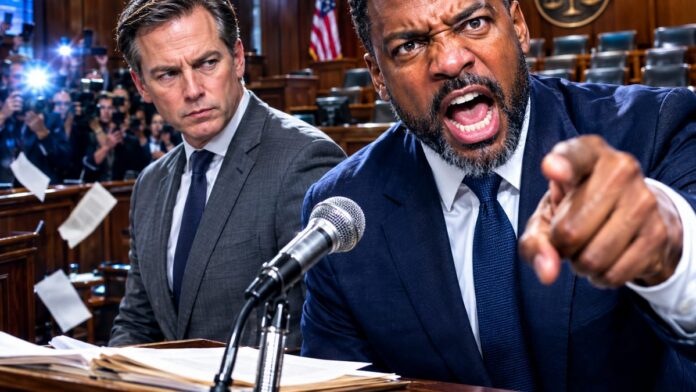
The attorney representing Michael Desronvil, the holdout juror in the Lindsay Clancy case, appeared on national television to push back hard against defense lawyer Kevin Reddington’s courtroom accusations that his client lied under oath. The attorney stated unequivocally that Desronvil stood by the guilty verdict without any uncertainty and had substantial evidence to support his position throughout deliberations.
Desronvil is the lone juror who refused to join eleven others in returning a not-guilty-by-reason-of-insanity verdict for Clancy, who killed her three children in a crime that has never been disputed. The mistrial declaration triggered a media firestorm, and Desronvil’s identity became public shortly after. His family has faced harassment, with his brother reporting that reporters and true crime enthusiasts have left notes at their mother’s house and made it impossible for the family to leave home.
🚨 WOW! Lindsay Clancy holdout juror Michael Desronvil's attorney just went on national TV to DESTROY Clancy lawyer Kevin Reddington's smears and lies
"He had ZERO doubt. NO doubt."
"Kevin Reddington is CLEARLY attacking the 6th Amendment! He's CLEARLY attacking the right to… pic.twitter.com/z0GfU0fBoD
— Eric Daugherty (@EricLDaugh) September 28, 2026
During the television segment, Desronvil’s attorney emphasized his client’s firm conviction. The attorney said Desronvil had zero doubt about his position and possessed a mountain of evidence to back up his conclusion. He repeated the phrase multiple times for emphasis, making clear that Desronvil’s stance was not wavering or uncertain at any point during jury deliberations.
Reddington had told the court during post-trial proceedings that Desronvil stood in front of the judge under oath during individual questioning and lied. Reddington went further, stating he would reluctantly say that the individual made a false statement under oath to the court. The accusation amounts to suggesting Desronvil committed a crime, a charge the attorney called categorically false.
The attorney responded by calling Reddington’s accusation the most outrageous thing he had heard in almost twenty years of practicing law. He repeated the phrase twice for emphasis, stating that Reddington was accusing a juror of committing a crime. The attorney argued that such remarks crossed a fundamental line by challenging the protections of the trial process itself.
The attorney went on to accuse Reddington of attacking the Sixth Amendment and the right to trial by jury. He stated plainly that Reddington is off the rails. The comments framed Reddington’s approach as an overreach that undermines the jury system rather than focusing on the evidence presented during the trial.
The exchange highlights ongoing tension in the aftermath of the Clancy trial. Questions have surfaced about how Desronvil’s identity became public in the first place. Observers have pointed to the need for scrutiny over any actions that could expose jurors to external pressure after they fulfill their duty. The attorney’s national television appearance underscores efforts to protect the integrity of jury service against post-trial challenges from the defense side.
This development reflects broader concerns about maintaining the impartiality of the judicial process when defense attorneys extend their arguments beyond the courtroom into public accusations against those who deliberated the facts. The emphasis remains on ensuring that jurors can perform their role without facing subsequent attacks that question their oath or integrity.
The Lindsay Clancy case has drawn national attention since the crime occurred. Clancy killed her three children, a fact that has never been in dispute. The defense argued she was legally insane at the time, a position eleven jurors accepted. Desronvil did not. His refusal to sign off on the verdict led to the mistrial, and the case will now be retried.
The public exposure of Desronvil’s identity and the subsequent harassment his family has faced raise serious questions about juror protection. His brother previously reported that the family cannot leave the house and that notes are being left at their mother’s residence. A local television station also publicized details from Desronvil’s divorce, family conflicts, and housing struggles after he refused to join the other jurors.
The attorney’s appearance on national television was a direct effort to defend Desronvil’s name and reputation against what he characterized as a smear campaign. He made clear that his client stood by his decision, had evidence to support it, and fulfilled his duty as a juror according to the law and his conscience.
The fallout from the mistrial continues to escalate. The question of who leaked Desronvil’s name remains unanswered, and calls for an investigation into Reddington’s role have been raised. The case will return to court, but the broader issue of how jurors are treated after they serve and the lengths to which defense attorneys will go to challenge verdicts they do not like will linger long after the retrial concludes.