

Media Ban Hearing Ends With No Ruling — CNN Melts Down Over Judge’s Silence
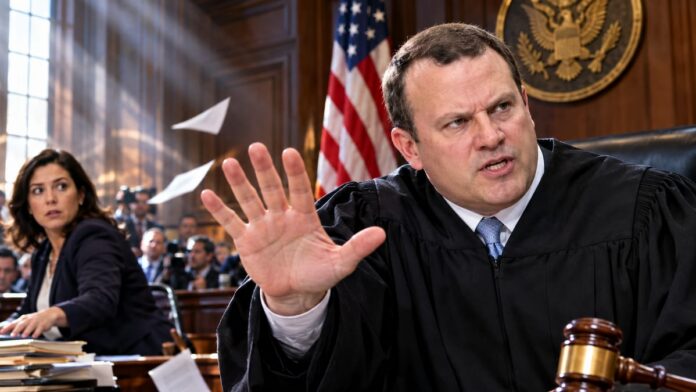
The emergency hearing challenging the White House press pass policy wrapped up today with no ruling from the bench, leaving news organizations in limbo and CNN correspondents openly frustrated on air.
Judge Timothy Kelly, the same federal judge who handled the Jim Acosta press credential dispute back in 2018, heard arguments from CNN, MSNBC, and Politico seeking immediate relief but offered no decision before dismissing the courtroom. The contrast with his swift action six years ago became the focal point of network coverage within minutes of the hearing’s conclusion.
BREAKING NEWS: Media ban hearing has concluded with NO RULING from the judge
CNN is having a MELT DOWN reminding us that he previously ruled on the Acosta case in a couple of days.
"He would be listening to these arguments today, and very likely writing something or putting… pic.twitter.com/gAG2AuKBgG
— DeVory Darkins (@devorydarkins) September 23, 2026
CNN’s on-air team immediately highlighted that Judge Kelly had moved far more quickly in the Acosta matter, holding arguments and returning the very next day with a ruling that restored the correspondent’s press badge. That emergency hearing in 2018 took place just days after the filing, and the judge’s rapid turnaround became a reference point networks expected to see repeated.
This time, the court listened to the news organizations’ emergency request, absorbed arguments from the Justice Department defending the administration’s national security rationale, and then adjourned without any immediate order. The judge acknowledged existing case law that prevents abrupt revocation of credentials without notice, but the transcript shows he must still weigh First Amendment questions against the executive branch’s security arguments.
Conservative legal observers see the absence of a hasty decision as a positive sign that the court is not rushing to handcuff the White House on access and security matters. The emergency filing from the news groups has not produced the rapid turnaround some expected, leaving the matter open for further review and giving the administration time to make its full case.
CNN correspondent Caitlin Polantz reported live that the hearing had concluded and that Judge Kelly would very likely be writing something or putting together some sort of order, but no timeline was given. The network emphasized Kelly’s 2018 timeline as a benchmark, noting he came back the next day and told the news organizations in court what he had decided.
The 2018 Acosta ruling turned on a due process question — whether the White House had given proper notice before pulling the credential. Judge Kelly ruled then that Acosta had not been given due process. The current case involves similar procedural questions, but the Justice Department has introduced national security arguments that were not as prominent in the earlier dispute.
Media outlets that had banked on a swift rebuke of the administration now face uncertainty as the judge considers the full record. The emergency posture of the filing suggested the news organizations believed immediate harm was occurring, yet the court’s decision to take additional time signals the legal questions are not as clear-cut as the networks portrayed.
The proceedings underscore ongoing tensions between the White House and legacy media over credentialing standards. With no ruling delivered at the close of arguments, the focus shifts to when and how the court will address the balance between press access and legitimate security concerns raised by the administration.
Judge Kelly made clear he understands the existing case law, but he also must address other questions on the First Amendment and the national security argument that the Justice Department is making. Those competing interests require careful consideration, and the judge’s refusal to rule from the bench suggests he is taking that balancing act seriously.
The lack of an immediate ruling is a departure from the swift action CNN and other outlets anticipated based on the 2018 precedent. The Acosta case became a media rallying point, and networks assumed a similar emergency filing would produce a similar rapid result. Instead, the judge is weighing the arguments and will issue an order on his own timeline.
For now, the White House press pass policy remains in place, and the news organizations that filed the emergency motion are waiting for a decision that could come at any time or could take significantly longer. The court’s silence has left both sides in a holding pattern, with the administration’s national security arguments still on the table and the news organizations’ First Amendment claims still under review.
The bottom line: the media’s emergency strategy did not produce the emergency relief they expected, and the judge is taking his time to get this right rather than rushing to judgment.