


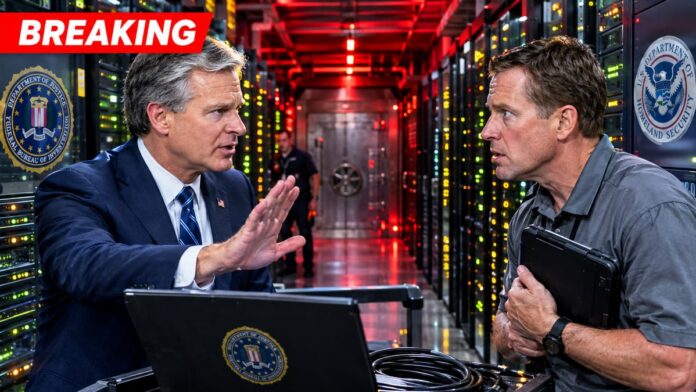
CIA and FBI Databases Hit in Coordinated Cyberattacks on Same Day
Two major federal agencies suffered successful cybersecurity breaches on the same day last week, with hackers penetrating an unclassified system at the CIA while simultaneously attacking the FBI’s National Crime Information Center database. Official sources confirmed the timing of the intrusions, which unfolded during a week already marked by separate technical disruptions at the National Security Agency.
The FBI breach carried the more serious operational consequences. Attackers accessed the NCIC, a critical platform that enables real-time information sharing among law enforcement agencies nationwide. The database contains data on fugitives, warrants, missing persons, and property records used daily by federal agents and local police departments. The intrusion directly affected the operational capability of law enforcement offices that rely on immediate access to that information.
SPY AGENCY CYBERBREACH
BREAKING: Sources confirm a cybersecurity breach at the CIA… on the same day as an apparent cyberattack on the FBI’s crime database
Here’s what we know so far 👇 pic.twitter.com/6p2pTCiAdY
— The Story (@TheStoryFNC) November 24, 2026
The CIA incident targeted an unclassified network, limiting the exposure compared to what a breach of classified holdings would have produced. Even so, successful penetration of any CIA system remains notable given the intelligence community’s layered defensive protocols. The Agency typically maintains some of the most rigorous cyber defenses in the federal government, making any intrusion a matter of concern regardless of classification level.
The Office of the Director of National Intelligence issued a statement confirming that none of its classified systems were compromised in either attack. That reassurance provides at least partial relief regarding the most sensitive national security data. However, the coordinated timing of the two separate breaches has drawn attention from cybersecurity experts and congressional overseers who monitor threats to federal networks.
The incidents occurred during the same week that the NSA experienced a multi-day outage of its internal classified system. That earlier disruption stemmed from technical upgrades that exposed unforeseen vulnerabilities rather than from any external cyberattack. The distinction matters because the CIA and FBI breaches appear to result from deliberate intrusions by external actors, not maintenance failures.
No attribution has been released regarding the identity or origin of the attackers behind the coordinated strikes. Investigations remain active, and officials have not disclosed whether the two breaches originated from the same threat actor or represented separate but simultaneous operations. The pattern of timing alone suggests at minimum a troubling level of sophistication and coordination.
Conservative analysts have long argued that federal agencies require stricter oversight and more aggressive implementation of proven defensive measures. The confirmed breaches illustrate vulnerabilities that persist despite repeated warnings about state-sponsored cyber threats and sophisticated criminal networks. The simultaneous targeting of two separate agencies responsible for law enforcement and intelligence collection underscores the breadth of the threat landscape facing government networks.
The FBI’s NCIC breach represents the second major intrusion affecting the Bureau within recent months, raising questions about whether systemic weaknesses exist in federal cybersecurity infrastructure. Each successful attack not only compromises current data but also creates potential footholds for future intrusions if the full scope of access is not identified and eliminated.
Further details on the scope of data accessed, the methods used to penetrate both systems, and the attribution of responsibility will determine the full national security implications. For now, the documented breaches serve as fresh evidence that cyber vulnerabilities remain a persistent problem at the highest levels of the U.S. government.
Sources
- Original post: The Story (@TheStoryFNC) on X, Nov 24, 2026
- Related posts reviewed for this report:
- The Story (@TheStoryFNC) on X, Nov 24, 2026
- John Solomon (@jsolomonReports) on X, Nov 24, 2026
- Amar Singh Chouhan (@amar_4inc) on X, Nov 24, 2026
Posts on X are shown as published by their authors; claims in them are attributed, not independently confirmed unless the article says so. If an embedded post does not load, these links open the originals.