


Pentagon Declassifies Footage of F-15 Backseater Bravo Rescued From Iranian Ridgeline After Two Days With Broken Back
The Pentagon has declassified dramatic rescue footage showing the extraction of an F-15 backseater identified only as Bravo after his aircraft went down over Iran. Bravo suffered a broken back during the incident and spent two days evading Iranian forces on a 7,000-foot ridgeline before elite Air Force pararescue operators reached him.
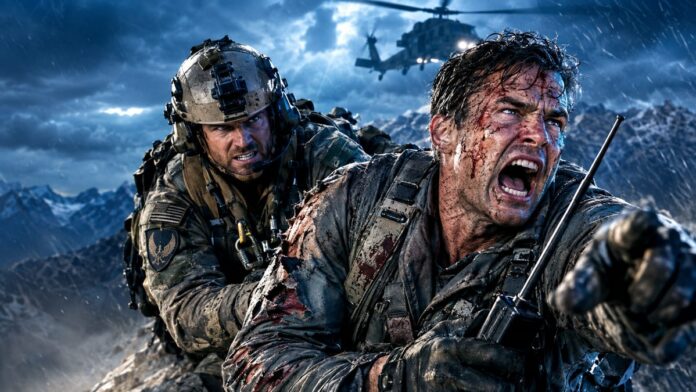
The declassified video captures the moment the pararescue team, known as PJs, approached Bravo on the ridgeline. In the footage, two special forces operators move in to secure him under the watch of an intelligence surveillance and reconnaissance asset. The segment shows the operators bringing Bravo out of the immediate danger zone.
New from 60 Minutes: the Pentagon just declassified the rescue footage of Bravo, the F-15 backseater sdown over Iran with a broken back.
Bravo spent two days on a 7,000-foot ridgeline with Iranian forces hunting him.
When Air Force PJs arrived on the mountain to rescue him,…
— Steve Guest (@SteveGuest) September 14, 2026
Bravo later described the arrival of the PJs as one of the greatest moments of his life. He expressed gratitude for their actions, stating that he did not know how to say it any more clearly than to thank them for all that they did. When asked directly what he said to the rescuers upon their arrival, Bravo replied with two words: “Let’s go.”
The operation did not end with Bravo’s initial pickup. At a makeshift airstrip, the rescue plane’s landing gear became stuck in the desert sand, preventing takeoff. This left more than 90 of America’s most elite service members on the ground in hostile territory. A clandestine unit of the U.S. Air Force eventually extracted Bravo along with the additional special operators. To ensure no sensitive technology remained behind, the United States bombed its own marooned aircraft.
The account underscores the skill and determination of American special operations forces operating in a high-threat environment. Bravo’s simple response upon rescue captures the resolve that defines those who serve in such missions. The declassified material offers a rare public window into the risks and successes of these operations without compromising ongoing capabilities.
The footage first appeared in a 60 Minutes report. The segment included commentary from a general walking viewers through the intelligence surveillance feed. The video shows Bravo waiting on the ridgeline before two PJs moved forward to bring him out.
Bravo declined to share the specific conversation he had with his rescuers, noting that the details were not just his story to tell. His focus remained on the gratitude he felt and the professionalism of the pararescue team.
The mission highlights the risks U.S. aircrews face in hostile airspace and the commitment of American forces to leave no one behind. Bravo endured two days on Iranian terrain with a broken back while enemy forces searched for him. The pararescue operators who reached him did so knowing the mission carried significant danger.
Once the rescue plane became stuck in the sand, the situation escalated. More than 90 special operators found themselves on the ground in Iran with no immediate way out. The Air Force’s clandestine unit successfully extracted all personnel. The decision to bomb the stranded aircraft ensured no American technology fell into Iranian hands.
The declassified footage provides a glimpse into the realities of combat search and rescue operations. The professionalism and composure of the operators involved reflect the high standards maintained by U.S. special operations forces.
Bravo’s survival and extraction demonstrate the effectiveness of American military training and the resolve of those who serve. His response to his rescuers, brief and direct, encapsulates the mindset required to endure such an ordeal and trust in the team coming to get you.
The Pentagon’s decision to declassify the footage allows the American public to see the results of the investment in special operations capabilities. It also serves as a reminder of the dangers faced by service members operating in contested environments.
The mission’s success depended on coordination across multiple units and the willingness of operators to execute a high-risk plan in enemy territory. Bravo is home. The operators who brought him out completed their mission. The footage now stands as a record of what American forces are willing to do when one of their own goes down.