


ATF Removes NFA Approval Process in California and Every Other State
The Bureau of Alcohol, Tobacco, Firearms and Explosives announced October 9 that it will no longer enforce key provisions of the National Firearms Act for suppressors, short-barreled rifles, short-barreled shotguns, and other weapons. The change took effect immediately and eliminates the prior-approval process for making or transferring these items, along with the longstanding requirement to register them in the National Firearms and Transfer Record.
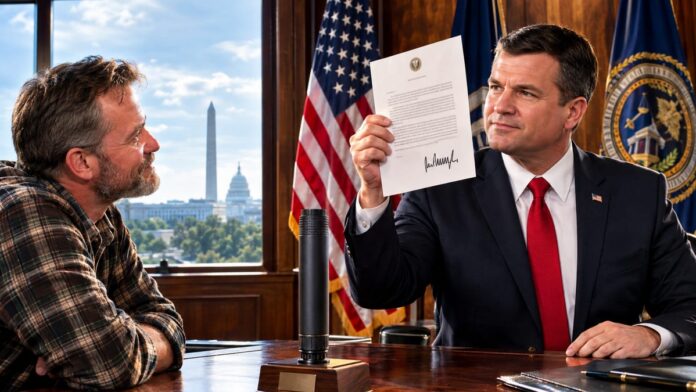
Rob Cekada, the ATF director appointed by President Trump, delivered the announcement in an open letter addressed to the American people and the federal firearms industry. The statement acknowledged public patience during the development of the new guidelines and emphasized the director’s oath to uphold the Constitution, including the Second Amendment.
NFA is dead. This is absolutely insane. pic.twitter.com/PkqSBL3JkA
— billy ragland. (@Ragland1836) October 9, 2026
Effective October 9, Americans and federal firearms licensees no longer need ATF approval under the National Firearms Act before making or transferring suppressors, short-barreled rifles, short-barreled shotguns, or any other weapon. Registration in the National Firearms and Transfer Record is discontinued.
The guidance applies nationwide and extends to every American, not merely parties involved in prior litigation. Cekada expressed appreciation for public feedback and committed the agency to fairness in future regulations and policy.
This action eliminates federal hurdles that had required extensive paperwork, background checks, and tax stamps for common firearm accessories and configurations protected under the Second Amendment. By removing these layers of approval, the policy returns regulatory focus to actual criminal conduct rather than routine lawful ownership. Manufacturers and individual citizens can now proceed without the delays and costs previously imposed by the National Firearms Act process.
The announcement aligns with the current administration’s broader emphasis on constitutional protections and reduced administrative burdens on law-abiding gun owners. It reflects a deliberate decision to interpret federal firearms statutes in a manner consistent with the plain text of the Second Amendment rather than expansive regulatory reach.
For decades, the National Firearms Act imposed a $200 tax and mandatory registration on suppressors, short-barreled rifles, short-barreled shotguns, and other weapons. The approval process often stretched months, creating a de facto barrier to ownership even when no criminal record or disqualifying factor existed. The tax stamp requirement turned constitutional rights into a pay-to-play scheme, and the registration database raised privacy concerns among gun owners who saw it as a precursor to future confiscation efforts.
The ATF director’s letter marks the end of that system. No more waiting. No more tax. No more registration. Americans who want to own a suppressor for hearing protection or a short-barreled rifle for home defense can now do so without federal permission.
The policy applies to all Americans, not just those who were plaintiffs in earlier legal challenges. This universal applicability ensures that the benefits of the constitutional restoration reach every corner of the republic, from California to Texas and every state in between. Federal firearms licensees can now transfer these items without the bureaucratic delays that previously defined the process.
The announcement drew immediate reaction from Second Amendment advocates, who celebrated the end of a regulatory regime they had long argued was unconstitutional. Gun owners flooded social media with declarations that the National Firearms Act is dead and that the Trump administration had delivered a historic victory for constitutional rights.
The timing matters. This policy shift arrives as the administration continues to roll back regulatory overreach across multiple agencies. The ATF director’s letter signals that the agency will no longer interpret ambiguous statutes in the most restrictive manner possible. Instead, the presumption now favors the constitutional right to keep and bear arms.
For law-abiding gun owners, the change means immediate practical benefits. A suppressor, which reduces the noise of a gunshot and protects hearing, no longer requires months of waiting and a $200 tax. A short-barreled rifle, often preferred for close-quarters defense, can now be legally owned without navigating a federal approval gauntlet. The same applies to short-barreled shotguns and other weapons previously caught in the National Firearms Act web.
The ATF director’s open letter made clear that the agency intends to move forward with fairness and consistency. The commitment to equal treatment across all Americans reinforces the constitutional principle that rights do not depend on geography or bureaucratic favor.
This policy reversal represents a decisive break from the prior regulatory philosophy. For years, the ATF expanded its reach, reinterpreting statutes to bring more items under National Firearms Act control. The Trump-appointed director has now reversed that trend, restoring the balance between public safety and individual liberty.
The impact will be felt across the firearms industry. Manufacturers who produce suppressors and short-barreled rifles will see increased demand as the approval bottleneck disappears. Retailers can now move inventory without waiting for federal sign-off. Individual buyers gain access to tools that enhance safety and performance without surrendering constitutional rights to a registration scheme.
The announcement also removes the stigma that the National Firearms Act placed on these items. By requiring special approval and registration, the law implied that suppressors and short-barreled rifles were inherently dangerous or criminal. The new policy recognizes them for what they are: lawful accessories and configurations protected by the Second Amendment.
Gun rights advocates have long argued that the National Firearms Act was unconstitutional from its inception. The October 9 announcement does not repeal the statute, but it effectively ends enforcement of the most burdensome provisions. The result is a de facto restoration of Second Amendment rights that had been infringed for nearly a century.
The Trump administration’s willingness to take this step reflects a broader commitment to constitutional governance. The ATF director’s letter is not the product of litigation or judicial mandate. It is a voluntary policy change driven by an oath to uphold the Constitution and a recognition that prior enforcement exceeded lawful authority.
Americans who have been waiting for approval to build or transfer suppressors, short-barreled rifles, or short-barreled shotguns can now proceed without federal interference. The registration database will no longer grow, and the $200 tax will no longer be collected. The National Firearms Act, at least for these items, is functionally dead.
This is what constitutional enforcement looks like. The ATF director took an oath to uphold all amendments, including the Second. The October 9 announcement is the fulfillment of that oath.
Sources
- Original post: billy ragland. (@Ragland1836) on X, Oct 9, 2026
- Related posts reviewed for this report:
- Grant Godwin (@the_typical_lib) on X, Oct 9, 2026
- Rudi_with_a_Permit (@toxicAmeriCAN) on X, Oct 1, 2026
- Paul of Legally Armed America (@Paul_of_LAA) on X, Oct 9, 2026
Posts on X are shown as published by their authors; claims in them are attributed, not independently confirmed unless the article says so. If an embedded post does not load, these links open the originals.